Ways-ai-is-improving-healthcare and Welcome to today’s article, where we combine two popular topics in technology and health. Regular visitors to our site and readers of our articles know that our content team and guest bloggers cover a wide range of topics.
Browse our article directory and find everything from the future of anti-aging and the best massage chairs to regenerative medicine and the best tips for loneliness. There’s something for everyone, and we’re sure you’ll find an interesting and informative article for your lunch break or to learn a new skill.
Tech enthusiasts know that artificial intelligence
(AI) is currently making headlines around the world. There are often two main perspectives on AI. Some believe that it will usher in an exciting new era and bring about far-reaching changes. Others fear that AI poses a major threat to many jobs and will replace several popular professions, including customer service, copywriting and sales teams at leading sports apps. Tools like a drug identification system, for example, help patients and healthcare providers quickly identify medications.
Which side of the spectrum do you fall on?
Maybe you’re a big fan of AI and have seen enough to be convinced that the technology will bring positive changes to medicine and healthcare. Or maybe you strongly oppose the rise of AI because it is costing millions of jobs and leading to unprecedented layoffs. As with many new entrants in technology, the truth usually lies somewhere in between.
One thing is for sure: AI is unstoppable and continues to spread across all business sectors.
One of the most exciting and interesting aspects of AI is how it is transforming the health and wellness sector. But how are professionals using the technology to improve your health? We’ll explore this in more detail in our latest article.
Read on to learn how healthcare professionals are using AI for early detection and diagnosis of diseases, how doctors are using AI to customize treatment plans, and how AI can help manage chronic conditions. You’ll also find information on mental health support and preventative care.
After reading this article, you’ll understand the possibilities of AI and how it is driving change. Many of the technologies mentioned on this page are already widely available and can be purchased online to monitor diseases and avoid frequent doctor visits.
Early disease detection
One of the best, most impressive, and most useful ways that AI can improve health is in the early detection and diagnosis of serious diseases.
Professionals use AI to analyze large amounts of data, including lab results, scans, and patient histories. The results are often much faster and more accurate than those from doctors performing the same work. Thanks to AI’s rapid results, doctors can focus on treating their patients, and they are already reporting positive results.
Did you know that AI algorithms can detect early signs of cancer in scans and MRIs? The earlier cancer is detected, the faster it can be treated, and the higher the survival rate. AI can also analyze heart rate data and similar biomarkers to predict serious heart conditions before they develop into serious problems. Wearable AI devices continuously monitor statistics and send alerts when problems arise.
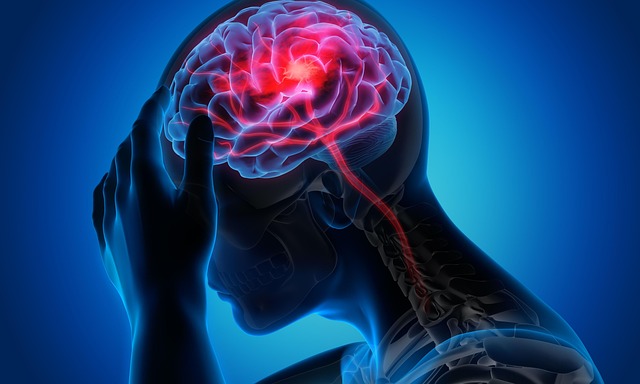
In neurological diseases such as Alzheimer’s and Parkinson’s, AI can detect changes in the brain, enabling interventions and treatments. Neurologists use AI tools to analyze brain scans and cognitive tests, accelerating change and improving treatment.
Personalized treatment
Because our bodies and lifestyles are unique, there is no one-size-fits-all solution for healthcare. Creating personalized treatment plans is another area where AI is already proving its value for both experts and patients.
The technology’s algorithm can accurately analyze a person’s genetic makeup and quickly identify the risk of serious illness. These results allow doctors to offer more effective treatments and increase survival. For example, cancer patients benefit from treatments that target the genetic mutations that cause their type of cancer.
Another advantage is being able to prescribe the right dosage and predict how a person’s body will process drugs based on personal factors, including genetics.